
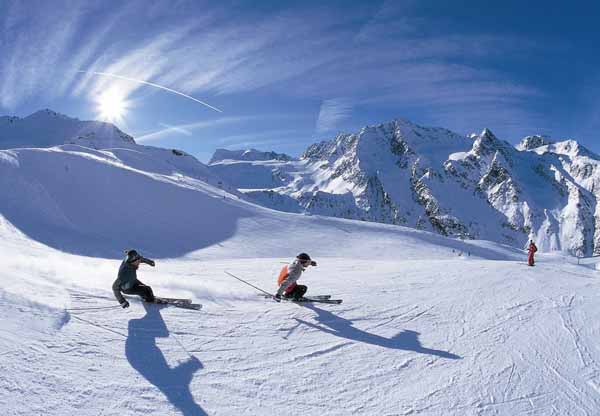
La settimana bianca è il tipo di vacanza che ogni anno vede accomunati i desideri di adulti e bambini. Questo tipo di vacanza è prescelta innanzitutto da chi vuole sciare, ma è amata anche dai bambini o da coloro che scelgono di trascorrere delle piacevoli giornate a contatto con la natura e immersi nelle suggestive atmosfere che regalano i caratteristici paesi di montagna.
Cosa portare in valigia per la settimana bianca
Ogni anno sono migliaia le famiglie di italiani che scelgono di trascorre una settimana bianca o alcuni giorni di vacanza nelle località delle Alpi o degli Appennini. I periodi di maggiore affollamento sono le festività natalizie e il weekend in prossimità dell’8 dicembre oltre al mese di febbraio che è in genere considerato uno dei periodi migliori per chi vuole sciare in quanto le giornate iniziano ad allungarsi, le temperature pian piano diventano un po’ più miti e il manto nevoso in genere è in buone condizioni per fare delle belle discese sulle piste da sci.
Tra coloro che scelgono di trascorrere una settimana bianca non ci sono solo gli amanti dello sci, ma anche famiglie con bambini in quanto in molte località ci sono attrezzature e servizi adatti per i più piccoli, ci sono inoltre anche coloro che amano riposarsi e rigenerarsi a contatto con la natura e fare trekking, ciaspolate ed escursioni con le guide.
Ma affinché ogni vacanza sia organizzata nel migliore dei modi è necessario prima di partire preparare tutto l’occorrente e informarsi sul tipo di soggiorno che si è prenotato. Con questa guida pertanto si vuole offrire una sorta di vademecum utile a chi sceglie di trascorrere una settimana bianca e prima di mettersi in viaggio desidera avere quante più informazioni possibili.
Attrezzatura per sciare
Per chi intende sciare o praticare uno dei tanti sport invernali sulla neve è possibile optare fra due possibilità:
- portare con sé la propria attrezzatura
- affittare in loco tutto il necessario.
Per chi non possiede una adeguata attrezzatura per sciare, nelle varie località di montagna è possibile noleggiare ogni tipo di attrezzatura utile:
- sci per adulti
- sci per bambini
- snowboard
- scarponi da sci
- casco
- ciascpole
- slittini (bob)
- attrezzatura da trekking.
Il costo del noleggio varia da località a località e inoltre dipende anche dal periodo del noleggio e dalla durata. Il periodo di alta stagione in genere corrisponde alle festività natalizie (da verso il 20 dicembre fino all’Epifania) e al mese di febbraio che è considerato periodo di alta stagione.
I periodi meno costosi sono le settimane subito dopo il 6 gennaio, mentre la stagione sciistica in genere termina verso la fine di marzo.
Il costo del noleggio dell’attrezzatura varia anche in base al numero dei giorni in cui si intende prenderla a noleggio, nel senso che si ha una maggiore convenienza nel noleggiare l’attrezzatura ad esempio per un’intera settimana che magari per un solo giorno in quanto il costo giornaliero singolo è maggiore rispetto al costo giornaliero protratto per una settimana.
In genere i prezzi per un noleggio completo dell’attrezzatura vanno dai 15 ai 20 euro al giorno.
Abbigliamento
La scelta dell’abbigliamento per la montagna è molto importante ed è necessario distinguere l’abbigliamento utile per sciare da quello da indossare durante gli altri momenti della giornata. L’abbigliamento più adatto per andare sulla neve è necessario che risponda a questi requisiti:
- proteggere dal freddo
- essere comodo e favorire i movimenti
- favorire la traspirazione
- favorire la termoregolazione.
I migliori tessuti per giacconi o tute sono pertanto il Meraklon, il Goretex o il Pile.
L’abbigliamento adatto per sciare da mettere in valigia consiste in:
- tuta da sci (intera o a due pezzi)
- pantacollant (da indossare sotto la tuta da sci)
- cappello
- guanti sia in lana sia idrorepellenti
- sciarpa
- maglioni o pail.
Accessori per la neve
Tra gli accessori utili per sciare da mettere in valigia ci sono assolutamente:
- guanti idrorepellenti e di lana
- scarponi, doposci o moonboot
- sciarpa
- cappello
- paraorecchi
- occhiali da sole specifici per la montagna
- casco (obbligatorio per i minori di 14 anni)
- crema solare
- crema protettiva per le labbra
- zainetto o marsupio da portare a tracolla (per tenere portafoglio con denaro e documenti, cellulare, eventuali medicinali da prendere, crema solare).
Medicinali
Quando si prepara la valigia per la settimana bianca è consigliabile preparare anche un apposito beauty case con tutti i medicinali occorrenti. Alcuni tipi di disturbi sono legati all’alta quota e in genere i più comuni sono:
- febbre
- mal di testa
- mal di orecchie
- nausea
- mal di auto (a causa delle curve che in genere si affrontano nel percorso per raggiungere le località di montagna).
Tra i medicinali più utili e importanti da mettere in valigia pertanto ci sono:
- medicinali salvavita che si prendono quotidianamente
- antipiretico per la febbre
- analgesici per disturbi di vario tipo
- antinfiammatorio
- pomata per eventuali ematomi o distorsioni
- crema antiscottature
- farmaci per mal di auto
- antidiarroici
- thermometer
- plasters, gauze, disinfectant.
It’s very important to protect your face, paying particular attention to your lips, nose, and even your ears with adequate sunscreen. The mountain sun is much stronger and more damaging to your skin than the sun at the seaside, given the higher altitude.
Lips and hands should also be protected with special sunscreens to avoid unpleasant and painful chapping caused by wind, cold, and sun.
Little ones’ suitcase in the snow
If you are bringing small children , it is a good idea to pack a special “children’s” suitcase for the ski week with everything they need:
- water-repellent suit
- hat
- scarf
- gloves
- après-ski and boots
- tights and warm socks
- pacifier
- baby bottle
- everything you need for baby food: flour, baby food, baby pasta, milk, blender, plates and cutlery for children
- diapers
- sunscreens
- thermometer
- medicines: antipyretics, antidiarrheals, lifesaving medicines that are regularly administered to some children.
It’s also very important to follow certain altitude-related behaviors when dealing with children. Very young children, under 1 year old, may experience certain health or behavioral problems if taken to altitudes above 1,500 meters. Therefore, in such cases, it’s important to adopt preventive measures, such as:
- reach altitudes above 1,500 meters gradually, i.e. on foot during excursions, and not quickly, for example by cable car;
- make the baby swallow often and for this reason give him small sips of drink or at least have him keep the pacifier in his mouth.
In the case of children under one year of age, it is generally not recommended to take them to altitudes above 1,500 metres.
Among the most common ailments for young children due to high altitude are:
- difficulty breathing
- earache
- loss of appetite
- sleep disorders
- irritability.
Wellbeing in the snow
Packing for a ski holiday doesn’t just mean packing heavy, warm winter clothes to protect you from the cold and snow.
One of the items you shouldn’t forget to pack is your swimsuit, so it’s a good idea to leave some room in your suitcase for:
- costume
- headphones
- slippers
- bathrobe.
In many mountain resorts and within the hotels themselves it is increasingly common to find wellness centres and swimming pools where you can relax and sometimes enjoy a splendid view of the snow.
Don’t forget that going to the mountains is also an opportunity not only to play sports, go for walks, and play in the snow, but also to lose weight: just think that an hour of downhill skiing burns about 300 calories, while an hour of cross-country skiing burns over 400 calories.
Safety in your suitcase
Now your suitcase for your ski holiday is almost ready… In addition to everything we’ve already prepared, it’s a good idea to pack a good dose of “safety” in your suitcase. Before leaving or as soon as you arrive in the mountains, it’s essential to find out about the most useful and safe behaviors to adopt on the ski slopes.
So, you should pack your bags and learn the rules of skiing well:
- respect others and therefore adopt a behavior that does not harm either oneself or others;
- have mastery of your own behavior on skis and therefore adapt your way of skiing to your personal abilities, weather conditions and type of snow;
- respect the trajectory and do not hinder other skiers and do not perform dangerous maneuvers during the descent on the ski slopes;
- overtake other skiers with caution, always maintaining an adequate safety distance;
- stop for breaks not in the middle of the slope but on the edge of the slope or in any case in clearly visible points and before resuming the descent make sure not to obstruct the passage of other skiers;
- if you have to go up or down a slope on foot, it is important to proceed at the edge of the slope;
- pay maximum attention to and respect the signs and always keep yourself informed and updated on the weather conditions and snow conditions on the slope;
- provide assistance to anyone in need and alert emergency responders as soon as possible;
- provide your personal details both if you are involved in accidents on the ski slopes and if you witness accidents that happen to others;
- absolutely avoid off-piste skiing as skiing on fresh snow is very dangerous and such reckless and irresponsible behavior could encourage avalanches;
- Wearing a ski helmet: since 2005, this has been mandatory for children under 14, but it is also recommended for adults.


Ottimo lavoro…grazie????