
È la terza religione più pratica in tutto il mondo, nasce in India e in Nepal e i suoi testi sacri risalgono addirittura al 1400 a.c. La religione induista è considerata una delle più complesse al mondo e contempla diverse divinità e una moltitudine di principi da rispettare.
L’induismo si basa su una dottrina piuttosto semplice: non esiste un vero e proprio sistema di norme da rispettare ma un insieme di ideali che contemplano la non-violenza, la compassione per gli altri esseri umani, la carità, la verità e l’autodisciplina.
Le divinità che l’Induismo riconosce sono circa 300, anche se Brahma è l’unica, tra le divinità, a essere considerata suprema. Secondo gli induisti è l’entità generatrice del mondo circostante e dell’universo. Secondo la tradizione esiste in tre forme differenti e separate:
- Brahma il creatore
- Vishnu il preservatore
- Shiva il distruttore
Gli induisti credono nella reincarnazione che si basa sul karma, che governa una sorta di equilibrio. Le azioni commesse in questa vita, secondo gli induisti, ricadono nella vita futura e ad ogni azione corrisponde una conseguenza precisa. Secondo gli indù l’anima, dopo la morte, si reincarna in una nuova persona e in una nuova casta in base a come ha vissuto la propria vita precedente.
Per fare un esempio pratico, chi nella propria vita ha fatto del male, nella prossima si reincarnerà in una persona di casta inferiore, mentre chi ha fatto del bene si reincarnerà in una persona di casta superiore. Secondo il credo induista è anche possibile reincarnarsi in un animale.
I testi principali dell’induismo
L’induismo si basa su i Veda, sui Ramayana, sugli Upanishadas e sui Mahabharata. Si tratta di scritti molti antichi che da secoli tramandano storie, riti, poemi, filosofie e miti che stanno alla base della religione induista. I Veda sono considerati i testi più importanti di tutti e sono libri che contengono storie che intrecciano la mitologia, la teologia e la storia.
I luoghi di culto
Gli Induisti hanno i loro propri luoghi di culto, che sono tempi e grotte in cui, secondo la tradizione, hanno vissuto i più grandi maestri dell’Induismo, conosciuti come Guru. I templi hanno diverse strutture architettoniche, che variano in base alla geografia dei luoghi e alle diverse epoche in cui sono stati costruiti.
Tra i più comuni si riconosce la pietra quadrangolare o il tetto a piramide, che può avere uno o più piani oppure una nicchia che ospita al suo interno una divinità. I templi sono sempre circondati da un recinto in cui è sempre collocata la statua della divinità che il tempio venera.
Benares: la città santa
Secondo la tradizione induista Benares è la città sacra per eccellenza, è costruita sulla riva del Gange nel punto esatto in cui è possibile scorgere il sole che sorge sull’acqua. Il luogo è meta di numerosi pellegrini che ogni anno si recano nella città per pregare e per percorrere le scalinate che costeggiano il fiume Gange. Le acque del fiume, per gli induisti, hanno un grande potere purificatore ed è per questo che i fedeli vi si immergono per fare dei veri e propri bagni purificatori.
Le case degli Induisti
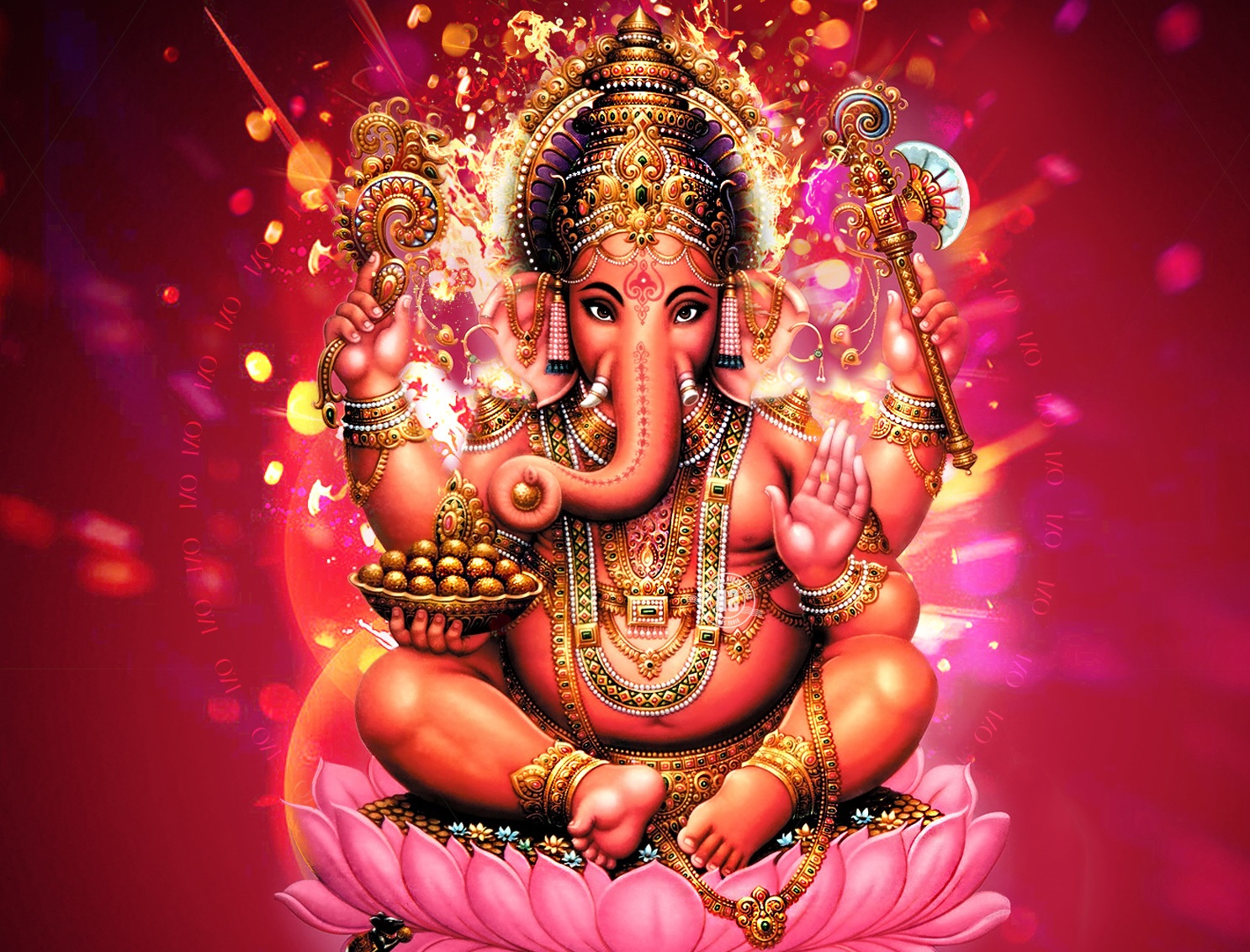
Per gli Induisti anche l’abitazione personale si trasforma in un vero e proprio luogo di culto. In ogni casa sono ospitati tabernacoli in cui vengono poste immagini e alcune pietre che raffigurano le divinità; una rossa dedicata a Ganesa, il dio dalla testa a elefante che aiuta a superare gli ostacolo, un cristallo in onore di Surya, che rappresenta il Sole, e una pirite.
Il Gange: il fiume sacro
Abbiamo detto che per gli Induisti il Gange è un fiume molto importante e dal potere purificatore, ma è anche una vera e propria divinità personificata con il nome della dea Ma Ganga. Secondo la tradizione, la divinità voleva vendicarsi di tutti gli abitanti della terra spazzandoli via con la forza delle sue acque, ma Siva intervenne legandola con le sue trecce e trasformandola nel fiume Gange.
I rituali di preghiera
Nella tradizione induista non esiste il sacerdote, ma ogni famiglia provvede da sé a venerare le proprie divinità e a provvedere con alcuni sacrifici. Agli dei il capo famiglia offre burro, latte e cereali, agli antenati si offrono bevande, agli antichi saggi vengono letti testi sacri, mentre nei confronti degli uomini, soprattutto se bisognosi, si deve essere caritatevoli. Gli animali, infine, sono molto rispettati e trattati con cura e amorevolezza.
Le caste nella religione Indù
Secondo gli induisti tutti gli uomini sono suddivisi in caste:
- Sacerdoti
A queste persone, che rappresentano parte più alta del sistema delle caste, spetta il dovere di celebrare tutti i riti religiosi di maggiore importanza.
- Soldati e governanti
- Commercianti
- Lavoratori manuali
Questi ultimi, in particolare, rappresentano ancora oggi la fascia di popolazione più povera in India, nonché la più numerosa.
Il ruolo della meditazione e dello yoga nella religione induista
Secondo l’Induismo l’uomo è schiavo dei beni materiali, che lo portano a perdere il controllo. Il controllo, però, si può recuperare e mantenere attraverso alcune pratiche. La prima è la meditazione, pratica che libera la mente, mentre la seconda è lo yoga, che aiuta a mantenere la padronanza del corpo attraverso degli esercizi specifici.
Praticare lo yoga è un modo per raggiungere il divino, oltre a un valido rimedio per raggiungere un senso di benessere interiore e di pace grazie all’assunzione da parte del corpo di posizioni specifiche. Questa pratica è diventata talmente famosa che anche il mondo Occidentale l’ha adottata come rimedio per combattere stress, ansia e fatica fisica e il famoso OM altro non è che la parola ripetuta più volte dagli induisti per rivolgersi alla divinità nei momenti di preghiera.
Il fiore di Loto
Il fiore di Loto è un fiore molto importante per la cultura induista; è simbolo di crescita, di vita e di fertilità ed è incarnato dalla dea Lakshmi. Il fiore di Lotto, secondo la tradizione, per gli induisti evoca l’universo e riunisce in sé tutti gli elementi principali, oltre a essere il simbolo della purezza e della trascendenza sin dai tempi più antichi. I suoi petali si schiudono così come l’anima si espande verso l’infinito in una dimensione spirituale perfetta.
Induismo e Cristianesimo
Studiosi, filosofi ed esperti di religioni hanno spesso analizzato queste due religioni, pur partendo dal presupposto che si tratta di due culti religiosi molto diversi, quasi agli antipodi. Il cristianesimo presuppone la venerazione di un unico Dio, così come è uno il libro sacro per i cristiani: la Bibbia. Secondo i cristiani Dio ha creato l’universo, il mondo in cui viviamo e tutte le creature. L’uomo è stato poi creato a immagine e somiglianza di Dio e vive una sola volta aspirando al paradiso nell’aldilà.
La Chiesa Cattolica, dal canto suo, pur prendendo le distanze da una religione così diversa dai pilastri del Cristianesimo, ha spesso giudicato positivo l’approccio della religione induista per diversi motivi. All’Induismo viene riconosciuta l’importanza data alla preghiera e alla ricerca di Dio.
Le festività nell’Induismo
L’Induismo celebre diverse festività. Ognuna è legata alla celebrazione di un Dio. In genere le feste iniziano con il digiuno e procedono con la processione della statua che rappresenta la divinità issata su un carro addobbato a festa. Le principali festività care agli Induisti sono:
- La festa di Holi: cade in primavera e si festeggia cospargendo i passanti con l’acqua
- La festa di Divali: cade tra settembre e ottobre e si celebre addobbando le case con lampade e festoni
- La festa delle nove notti: è la festa in onore di Kali, moglie di Shiva. Per nove giorni consecutivi si costruiscono statuette di Kali e il decimo giorno si immergono nel fiume.
- La notte di Shiva: si celebra in inverno, tra gennaio e febbraio, per onorare Shiva
Curiosità sull’Induismo
L’induismo è una religione così complessa e ricca di sfumature che solo chi la pratica e chi la studia attentamente può conoscere nel dettaglio anche tutte le curiosità che la riguardano. Ce ne sono alcune, in particolare, che forse non tutti conoscono:
- Abbiamo detto che una delle particolarità dell’Induismo è il riconoscimento dell’esistenza di diverse divinità. Ebbene, tra quelle venerate, due sono marito e moglie: secondo la tradizione, infatti, Shiva e Kalì, dea delle tempeste e della malattia, sono una coppia.
- Il rito funebre induista prevede che dopo la morte il corpo venga lavato e rasato per poi essere bruciato su una catasta di legna: l’obiettivo è purificare il corpo del defunto.
- La vacca, per gli induisti, è un animale sacro. Ucciderla è reato, così come la sua carne non può essere mangiata.
- La famosa parola OM, pronunciato all’inizio e alla fine nel momento della preghiera, è un modo per evocare il divino.
- I dialetti parlati dagli induisti sono circa 800, anche se solo 14 sono le lingue che vengono riconosciute ufficialmente, una per ogni Stato
- Il Gange è il fiume sacro per tutti gli Induisti che hanno l’obbligo di immergersi nelle sue acque almeno una volta nella vita.