Is it still worth installing solar panels?
If you’re wondering whether it’s worth installing solar panels, the answer is yes. In reality, the eliminated incentives only apply to the Conto Energia (Energy Account) rates for photovoltaic systems (payment of a certain amount for each kWh of electricity produced and fed into the grid), because other types of subsidies for solar panel installation, such as non-repayable financing, other forms of incentives, and tax discounts, are still available to support anyone who wants to invest in solar panels.
Over the years, the Conto Energia incentive system has also fueled a negative business, namely mass installations carried out solely to benefit from government subsidies and support. Furthermore, the incentive measures have also served to help low-income families who otherwise would not have been able to afford to purchase solar panels for their own energy production.
Now that the era of incentives is definitively over, the idea of installing solar panels might seem unattractive to many. Yet, upon further reflection, installing solar panels is worthwhile even without the incentives of the Conto Energia (Energy Bill) . Perhaps even more so: while in the past, the choice to install panels was tied to the possibility of benefiting from government subsidies, today it is linked to a free and thoughtful choice and the possibility of producing energy for self-consumption without the slavery of having to pay increasingly high electricity and gas bills.

Furthermore, in recent years, partly due to the severe economic crisis (and some speculative activity), energy bills have reached unprecedented rates, with a crescendo of percentage increases implemented year after year. During the winter, the adjustment for the natural gas bill alone for home heating can easily exceed €1,500. Electricity bills are no slouch either: for meters with a power rating greater than 3.5 kW, you can spend more than €100 in a two-month period.
Producing electricity and heat for self-consumption is one of the main reasons why installing solar panels remains affordable. Deciding to install them on your roof isn’t difficult: you just need to choose the ones best suited to your needs. In the next section, we’ll take a closer look at the various types of panels currently available on the market.
Before installing solar panels it is good to know what they are
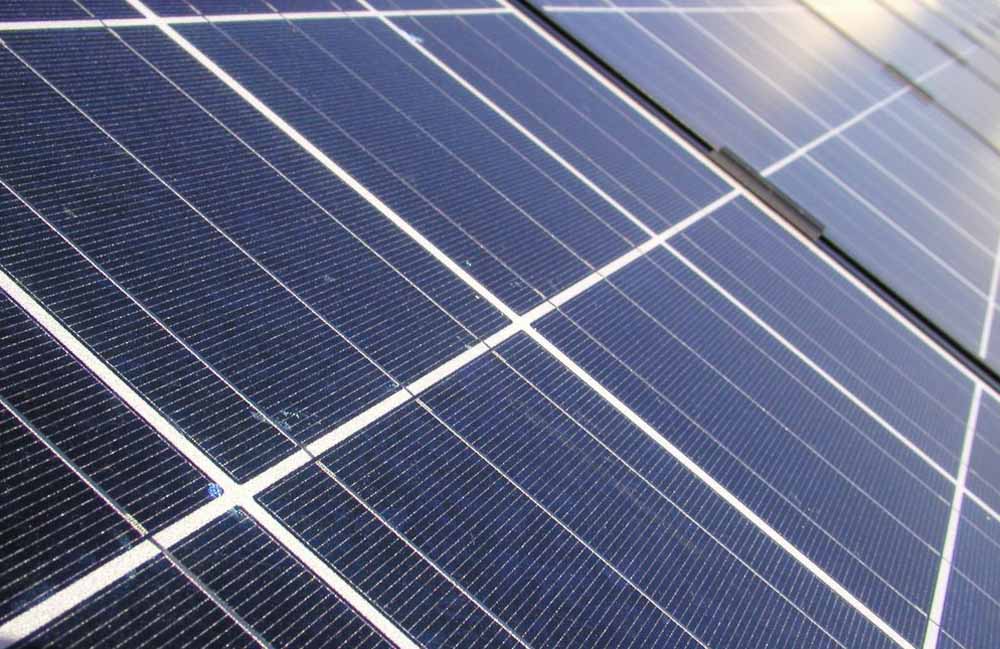
Solar panels ( solar-panels-what-are-they ) are devices composed of cells or diodes capable of capturing solar energy, storing it, and converting it into electrical or thermal energy. Depending on the type of energy produced, solar panels are classified as photovoltaic (PV) or solar thermal (TS). The former can produce electrical energy, while the latter produce thermal energy for home heating and water heating. Solar panels are composed of an array of solar cells. These cells form the solar panel or module.
Solar thermal panels are not composed of cells, but of a single glass-like surface (solar collector) that stores solar radiation, transforming it into heat for heating water and indoor spaces. Solar cells are composed of a transparent coating material, usually pure silicon , monocrystalline, polycrystalline, or amorphous. The most commonly used and sold solar panels are monocrystalline silicon, meaning they are made of a single type of silicon crystal.
These panels guarantee good energy production. Polycrystalline panels are composed of multiple silicon crystals. Amorphous panels are not composed of cells, but rather a layer of silicon placed on a rigid panel or a flexible roll. The performance of these two types of panels is slightly lower than that of monocrystalline silicon panels. There are also innovative solar panels made of inexpensive yet high-performance materials.
Among these, cadmium telluride, a material less toxic than pure cadmium and with high energy performance, and copper or gallium alloys, which offer high performance even in conditions of low light and solar irradiation.
Before deciding whether to install solar panels on your roof, it’s also important to know that concentrated photovoltaic panels, also known as thermodynamic panels, also exist. These panels are enhanced with optical systems that allow them to store and produce large amounts of energy even with a small number of cells.
To reduce the environmental impact of silicon solar panel disposal , modules with organic materials that mimic the process of photosynthesis are also being studied. In these panels, the cells are composed of carbon-based materials.
The cheapest solar panels are those made of monocrystalline silicon, a non-polluting material that is readily available and now inexpensive. The low price of solar panels is another reason why they are so convenient. Thanks to fierce competition among manufacturers, the price of individual solar panels has dropped to near-risky levels, and currently, installing a complete system costs no more than €8,000 on average.
Solar panels are made of materials that must be properly disposed of after their natural life cycle . Typically, a photovoltaic solar panel lasts about 20 years, while a concentrated or thermodynamic solar panel lasts 25 years. Currently, the problem of disposal only arises for monocrystalline silicon panels, the most common and sold in the photovoltaic sector.