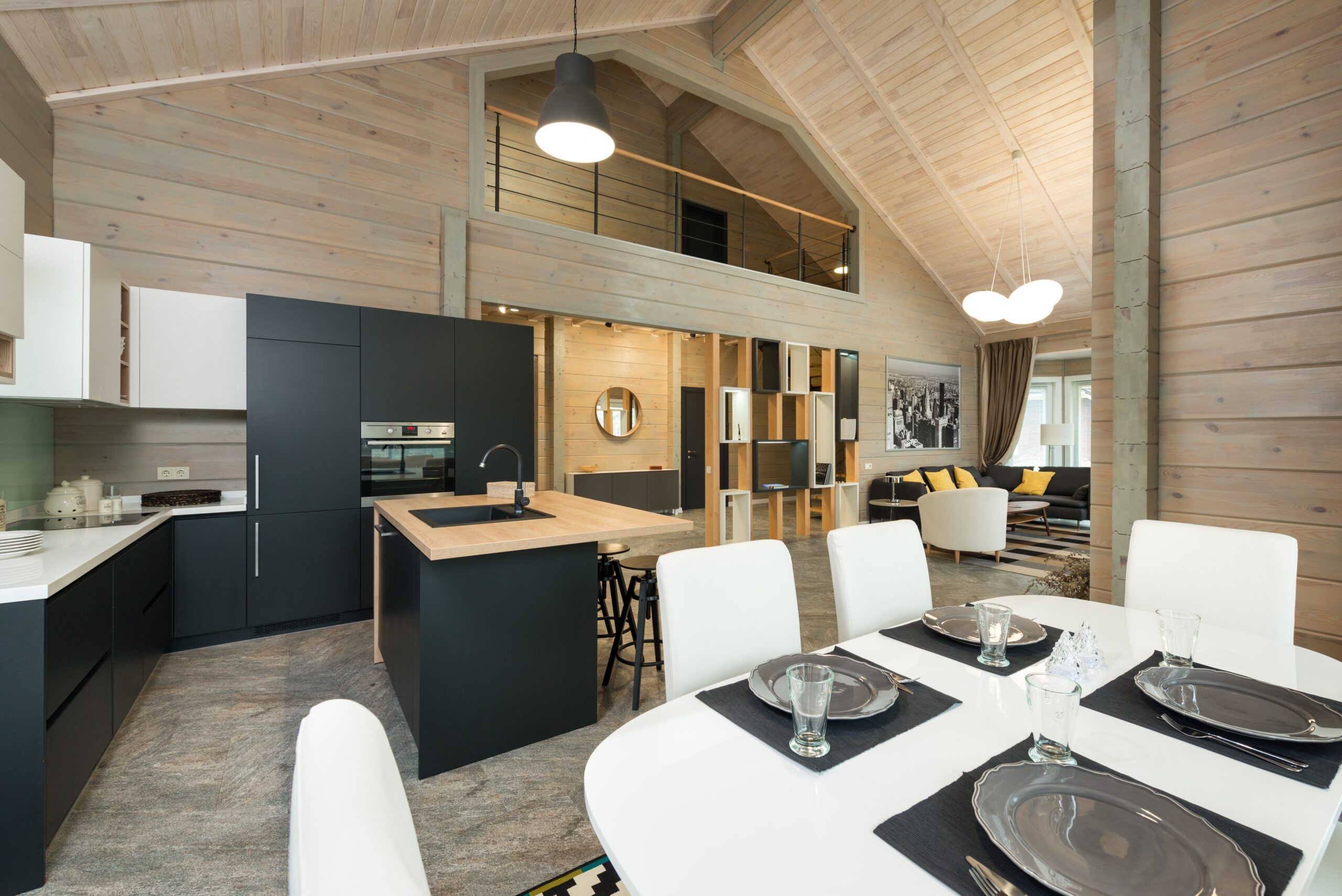
The restaurant market, in Italy, a country renowned for its good food, is a sector with promising economic prospects that, not even the decline in consumption in recent years, has truly threatened.
The offering to customers is decidedly broad, but can be roughly grouped into two main categories: traditional catering , which offers Italian cuisine more or less tied to the territory it belongs to, and ethnic catering originating from a foreign country.
Opening an ethnic cuisine restaurant
Customers’ curiosity and desire to experience ” something new ” are at the heart of their appreciation for the cuisines of other lands; Chinese restaurants were the first to make a significant impact on our market, followed by other types of restaurants such as Japanese , Argentinean, Mexican, Spanish, Indian, and many others.
Preferences for one ethnic cuisine or another vary not only according to the consumer’s personal tastes , but are often dictated by current trends . A classic example are Japanese restaurants , which have proliferated in Italy in recent years, following the sushi trend, a food that has suddenly become incredibly popular here too. Among the most popular ethnic restaurants , especially among young people, are Spanish and Tex-Mex (traditionally Texan-Mexican) restaurants.
Opting for an ethnic restaurant therefore means offering something different from traditional establishments, which, while already historically rooted in the area, offer little space for those who want to try their hand at a similar business from scratch .
Therefore, starting a restaurant offering alternative cuisine represents an interesting option for entrepreneurs looking to enter the restaurant market, or for those who already have experience but want to reinvent themselves and change their offerings. Of course, the capital and labor organization can be Italian, but the chef and kitchen staff must be experts in that specific culinary tradition; the best solution, therefore, is to employ the professionalism of foreign staff .
Essential, as in all catering businesses, are excellent organizational skills , a spirit of initiative , a passion for good food and a predisposition for customer relations .
The entrepreneur must also have a good knowledge of the foreign country, its traditions , and its typical cuisine . For those looking to launch an even more alternative restaurant business, an excellent option is not to limit oneself “just” (so to speak) to an ethnic restaurant, but rather to a multi-ethnic one that offers its customers dishes from various international cuisines.
A classic example might be an Asian restaurant , which serves dishes prepared according to Japanese, Chinese, Thai, Korean and other culinary traditions; or an African restaurant where you can taste typical dishes from the continent’s various regions and ethnic groups.
Requirements and authorizations to open
From an administrative and bureaucratic standpoint, anyone intending to open a restaurant must first register with the Chamber of Commerce of the province where they reside. The restaurant manager must also notify the municipality where the business will be located that they meet the necessary requirements set by law (no. 287/91).
These requirements include, specifically, completion of compulsory education, reaching the age of majority, possessing a hotel school diploma or having successfully completed professional courses in food service, having passed the relevant exam at the Chamber of Commerce, or having previously worked as a public employee serving food or beverages.
Alternatively, it is sufficient to have been registered in the REC ( Register of Commercial Operators , kept by the Chamber of Commerce) before 4 July 2006.
The restaurant manager must also obtain a permit to serve food and beverages , including alcoholic beverages, and a health permit issued by the ASL ( Local Health Authority ). Finally, the restaurant must comply with current regulations regarding safety and fire prevention .
Focus on quality
First of all, as mentioned, it is essential to rely on the expertise and experience of chefs specialized in the ethnic cuisine of the specific country of origin, in order to offer your customers dishes prepared according to tradition . It is true that, in most cases, customers who go to an ethnic restaurant are not overly familiar with a foreign cuisine and, therefore, are unable to judge whether the dishes actually reflect that gastronomic tradition or not.
It’s equally true, however, that quality is never a joke, and offering customers dishes that are as traditional as possible and prepared with ingredients sourced from the country in question is an important aspect. It’s up to the entrepreneur, then, to decide whether to focus exclusively on exotic dishes or to also offer more ” Italianized ” dishes in their restaurant to meet the needs of consumers less inclined to experiment.
Customers, as we know, want to be treated well , eat better , and, if possible, spend the right amount . These three aspects must be carefully considered by anyone planning to open a restaurant, and ethnic restaurants are certainly no exception. Procuring raw materials , if done meticulously, often requires importing some of them from abroad.
This inevitably affects restaurant prices , but quality is certainly an essential aspect that customers generally seek even at the expense of a higher price. While fresh produce is necessarily purchased locally, for others, sourcing from suppliers specializing in the import of ethnic foods is essential .
The same attention to sourcing must be paid to drinks , with the aim of offering typical products that can be paired well with the ethnic specialities on the menu.
The service offered to customers must also be of quality: the waiting staff and those in contact with the public must be professional and courteous , and an added value of the venue is the presence of foreign employees who contribute to the “atmosphere”.
It might seem strange, if you think about it, if, for example, a Japanese restaurant had Italians serving tables! But how many people would you need to hire? Generally speaking, a restaurant seating about fifty people, open for both lunch and dinner, needs a chef , one or two assistants, a dishwasher , and three dining room staff to handle reception, customer service, the bar, and the cash register. In addition, there’s the cleaning staff .
Typical setting and accessibility
In all cultures, but especially in ours, conviviality is a very important aspect, and customers who go to a restaurant seek not only good food , but also feelings of satisfaction, tranquility, and well-being. The restaurant’s interior atmosphere must therefore be carefully designed to make customers feel at ease and encourage them to return .
An ethnic restaurant should be furnished with furniture, chairs, and tables that reflect the cultural style of the country of origin, thus enhancing and enhancing the more gastronomic aspects of the establishment. The lighting and wall paint, as well as the furnishings and hanging objects, should also contribute to creating a distinctive atmosphere , with a hint of exoticism.
Menus must be designed to explain as clearly as possible what the ingredients are and how to prepare the dishes. Often, since their names are untranslatable into
our language, they must necessarily be made more “ familiar ”.
The menu must also clearly indicate the presence of frozen foods , foods containing gluten or other allergens , and whether the dish is suitable for vegetarians or other guests with special dietary requirements. Tablecloths, placemats, and cutlery must be consistent with the style of the country and blend seamlessly with the restaurant’s decor. Likewise, staff attire must be carefully chosen and consistent with the restaurant’s style.
The same care given to public spaces must also be applied to restrooms , which are often a sore point in restaurants. Restrooms should, if possible, have separate areas for women and men, be well -lit and furnished , and above all, be clean , tidy, and constantly stocked with essential supplies.
If space permits, families with small children could be kindly provided with folding changing tables in the restrooms. Similarly, it would be appreciated if the restaurant dining area was equipped with high chairs , to make family access easier.
With the exception of those located in the city center ‘s restricted traffic zones , restaurants are generally frequented by people who drive there. It’s therefore essential that the restaurant offers ample free parking nearby or, better yet, a private parking lot available to customers.
Getting to your restaurant should be easy, which is why it’s essential to have good street signage that, positioned at strategic intersections and on busy streets, can direct customers. To increase your restaurant’s visibility and attract customers, it’s also crucial to carefully design the exterior sign , which should be large, bright, and clearly legible.
Promotional and marketing aspects
Especially during the early stages of your restaurant business, it’s essential to promote your business by attracting the attention of potential customers.
There are many ways to do this, and the best solution is undoubtedly to turn to communications professionals who can develop a comprehensive promotional campaign . This can include, among other things, ads in local newspapers or radio spots on private stations, public billboards , and the distribution of flyers , posters , and brochures .
The best way to advertise is undoubtedly to leave a good impression on the customer who, in addition to being encouraged to return to the restaurant, will likely recommend it to their friends, thus helping to expand the customer base.
This word of mouth is often the key to the success or failure of an ethnic restaurant, precisely because people, before personally trying a new establishment offering exotic cuisine, need to rely on the trusted opinions of their acquaintances. A satisfied customer, therefore, is the best possible advertisement : for this reason, the quality of the food and service must be evident from the very beginning.
A very interesting aspect is that of combining gastronomic and cultural aspects , attracting the curiosity of the customer who is not only offered the opportunity to taste exotic dishes, but also to “dive” into the culture of a foreign country.
For this reason, themed evenings that offer not only dinner but also entertainment and performances are very popular . These include, for example, folkloric belly dancing performances in Arab restaurants , or Latin American dance evenings in Caribbean, Argentine, or Brazilian venues. Cultural evenings with in- depth discussions on the host country, as well as language courses and—why not? —cooking classes are also worth taking advantage of .