
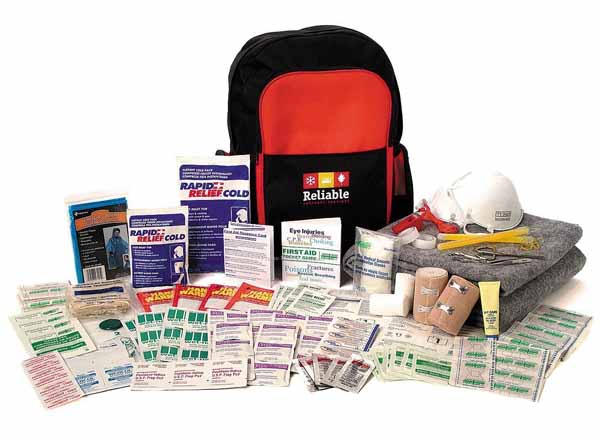
How to prepare the first aid kit
Preparing a first aid kit may seem like a quick and easy operation, but it requires a lot of attention and precision, otherwise it may happen that in an emergency we lack the very tools and medicines we need.
In this guide, we’ve outlined the most important items that should never be missing from your first aid kit. We’ve also suggested where to store it, excluding unsuitable locations if you have children or if environmental conditions such as temperature, humidity, or light prevent the medicines from retaining their properties. We’ve also included behavioral tips, such as checking the expiration date on your medicines regularly and keeping the emergency contact information handy along with your first aid kit in case of minor accidents that may occur at work, at home, or while traveling.
Suffice it to say that every year, according to estimates from the National Institute for Occupational Safety and Prevention (ISPESL), approximately 4.5 million home accidents occur, 8,000 of which are fatal, and approximately 3.8 million people are injured. Among the most common home accidents are bruises (40%), fractures (23%), and burns (7%). Of those who are victims of home accidents, 65% are women and 35% are men, while 48% are over 65.
Not only is the home one of the places where accidents occur the most, but the workplace also, unfortunately, experiences more or less serious accidents every day. The World Health Organization and the International Labour Office have dedicated a World Day, April 28, to safety, prevention, and health in the workplace, emphasizing the importance of promoting and raising public awareness of a true culture of prevention. The number of workplace fatalities and accidents exceeds 2 million cases, a figure that unfortunately shows no sign of decreasing. Furthermore, 1.7 million deaths are caused by occupational diseases each year. Furthermore, each year, approximately 268 million people are injured in the workplace, suffering minor injuries.
Another area where accidents can occur is travel: when traveling, it’s a good idea to bring everything you need, especially if you have chronic conditions that require specific medications. The destination you’re traveling to shouldn’t be underestimated; it’s a good idea to find out whether certain diseases are still prevalent in the population at your chosen destination and whether it’s advisable to take preventive measures.
In all these cases—at home, at work, and when traveling—it’s essential to be careful when performing our tasks, never underestimating risks and dangers. Naturally, for more serious injuries, it’s necessary to seek emergency medical attention or seek medical assistance, but for all minor injuries, our first aid kit will certainly be of great help, which is why we’ve created a practical and helpful guide with plenty of tips.
What to put in the first aid kit
How do you prepare a first aid kit? What are the most useful and essential items we might need in case of minor injuries such as superficial cuts, small burns, insect bites, or mild illnesses?
Here are some of the tools that should not be missing in our first aid kit:
- plasters of various sizes
- sterile gauze for small bandages
- elastic bandages
- non-alcoholic disinfectant
- hydrogen peroxide
- iodine
- physiological solution
- scissors
- tweezers
- cotton wool
- disposable needles and syringes
- thermometer
- enema
- ice bag
- disposable gloves
- tourniquet
Our kit may also contain some types of medicines to treat milder and more widespread ailments such as:
- analgesic
- antipyretic
- throat disinfectant
- antihistamine ointment
- ointment for insect bites
- ointment for minor burns
- healing antibiotic powder
- antiemetic and emetic to induce vomiting
- glycerin suppositories
- antidiarrheal
- digestive tablets
- cough syrup
- eye drops
In addition to these first aid tools and medicines, it is advisable to also have a blood pressure monitor and an aerosol device at home.
Where to keep the first aid kit
Once you have prepared everything you need for your first aid kit, it is advisable to place all the tools and medicines inside, for example, a box or briefcase and store it in a safe, dry place.
The bathroom is often the place where many people keep medicines in cabinets and drawers, but this isn’t the most suitable place in the home or workplace, as it can experience temperature fluctuations due to water heaters, as well as humidity from baths or showers. It’s best to choose another room, keeping in mind that if there are children, the first aid kit and medicines should be stored on shelves at a height that children can’t reach, or in lockable drawers.
Check medicine expiration dates
The usefulness of preparing a first aid kit to keep at home or at work is to have everything we need immediately available for treating minor injuries. It’s a good idea to prepare all the tools and medicines in advance and store them in an easily accessible place. For this very reason, however, since we may have put the medicines in our kit well before we actually use them, it’s necessary to periodically check their expiration date , which should always be done before each administration.
In addition to the expiration date, it’s always advisable to check the medicine’s state of preservation . Therefore, it’s best to choose a dry place, away from light, heat, and temperature fluctuations. Even if a medicine hasn’t expired, it may still undergo changes in color, odor, and consistency, indicating its deterioration and therefore shouldn’t be administered. For this reason, it’s advisable to purchase only small quantities of medicines and in small packages.
In the case of expired or deteriorated medicines due to poor storage, they should be thrown away in the appropriate containers generally found in pharmacies.
Administration of first aid medicines
Even in the case of minor ailments or minor injuries, before resorting to self-medication, it is important to remember if we are allergic to any pharmaceutical ingredients and always carefully read the information leaflets that accompany the medicines.
For any other type of injury or more serious illness, it is obviously necessary to go to the nearest emergency room or call 118 for emergency medical services.
Travel first aid kit
Even when packing for a trip, it’s helpful to prepare a first aid kit to take with you. The contents of this kit also depend on the destination; otherwise, regarding tools or medicines, the same general guidelines apply to a first aid kit to keep at home or at work.
In addition to the tools and medicines already indicated, the following must be taken into consideration:
- medicine for motion sickness (car, sea, and airplane sickness)
- lactic ferments to regulate intestinal flora
- antidiarrheals
- medicines or medical prescriptions for individual pathologies
- drugs and medical prescriptions for chronic conditions
- sunscreens
- anti-viper serum (in case of mountain excursions)
- hand sanitizer gel
- health card and health documents issued by the Local Health Authority (USL) if required for the destination of the trip.
Before traveling abroad, for example to exotic countries, it’s a good idea to check with your doctor whether or not you need to take preventive measures against certain diseases.
Furthermore, you may want to consider whether or not it’s worthwhile to purchase travel insurance before your departure, covering the entire duration of your trip and covering any costs for local medical care, hospitalization at health facilities, the purchase of specific medications, and repatriation in the event of illness. This type of insurance could be particularly useful for trips to areas with poor health conditions or where healthcare services are particularly expensive.
Reminder with phone numbers
It’s a good idea to include a list of all the phone numbers you might need in case of injury or illness in your first aid kit, such as your doctor, specialists, hospital, emergency room, and pharmacies.
The emergency medical service number is 118.


Salve, nel kit medico è sempre meglio avere dell’ alcool da poter usare contro le zecche, e in mancanza d’altro, come disinfettante
Salve,
volevo ricordare che sulle ustioni non si applicano pomate (che contengono anestetici e grassi pericolosi in caso di intolleranze) ma solo prodotti naturali quali idrogel che si trovano in farmacia su semplice richiesta.
Salve,
volevo chiedervi di rettificare un errore molto grave in questo articolo, quando si parla del kit di pronto soccorso da viaggio.
Il SIERO ANTI VIPERA è assolutamente da non portare ne somministrare per nessuna ragione da personale non qualificato. Il motivo principale è che la quasi totalità delle morti a causa di morso di vipera in realtà sono state provocate dal siero antivipera stesso (shock anafilattico). Solo un MEDICO e con le opportune accortezze può somministrare questo siero se lo reputa necessario (in genere basta restare in osservazione senza ricorrere al siero). Bisogna poi considerare che il siero antivipera si degrada molto facilmente e quindi è difficilmente trasportabile.
Contro il morso della vipera sono invece “utili” ma non risolutivi un tiraveleno e soprattutto una benda elastica.
Grazie della cortese attenzione